Reflections from Hangzhou:
What I Learned Co-Facilitating an ICH and Fashion Workshop in China
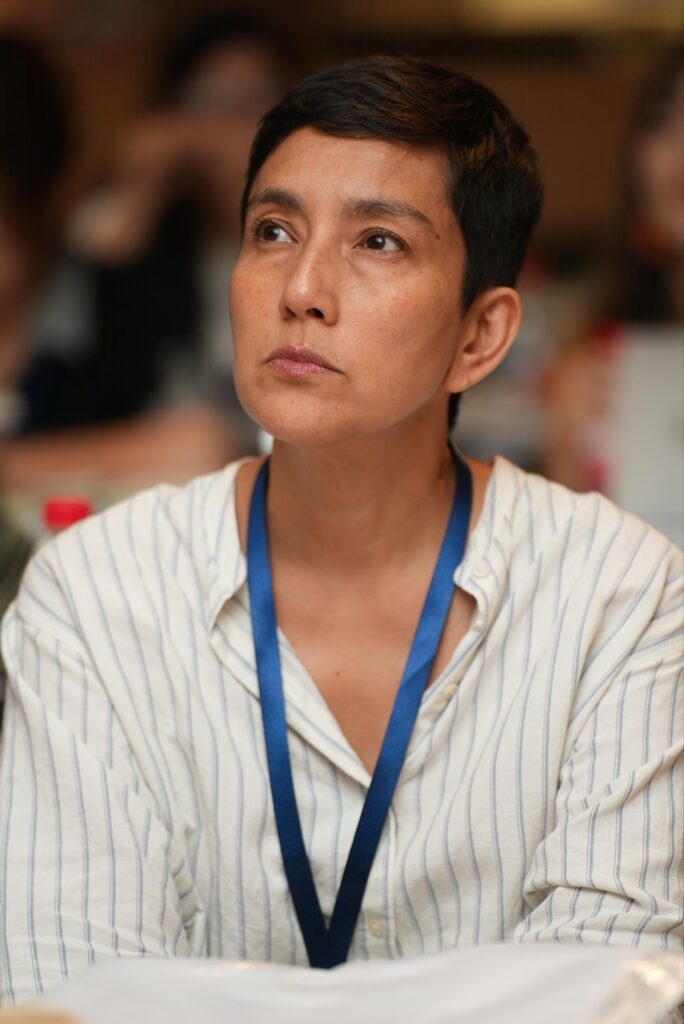
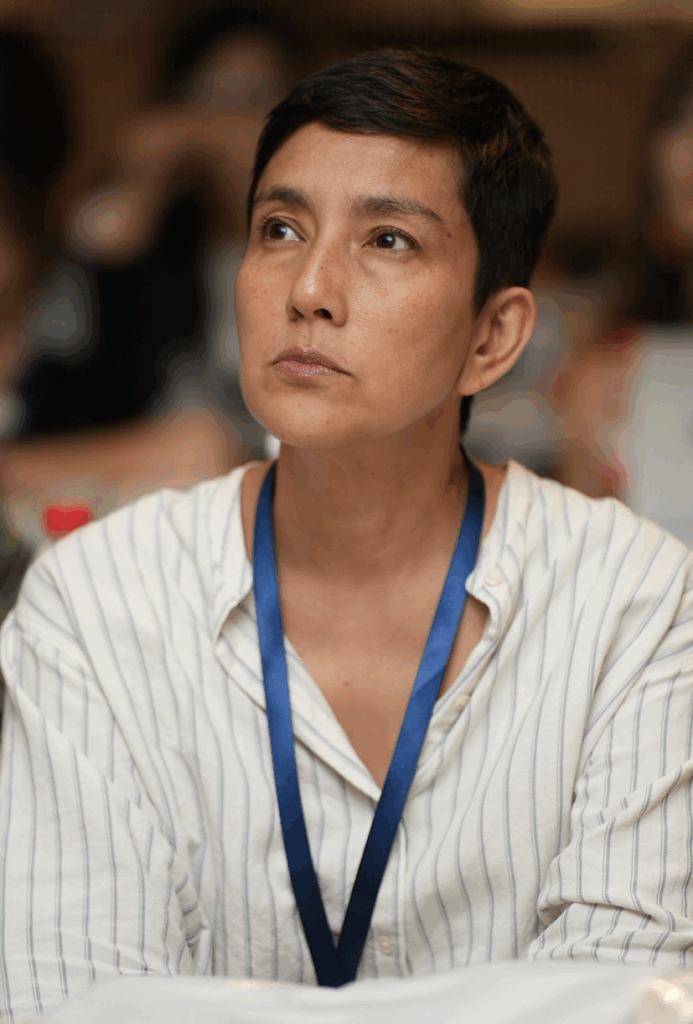
– Tara Gujadhur
Co-Director of Traditional Arts and Ethnology Centre — ICH Facilitator for UNESCO’s Global Network — Cultural Heritage and Sustainable Tourism Specialist
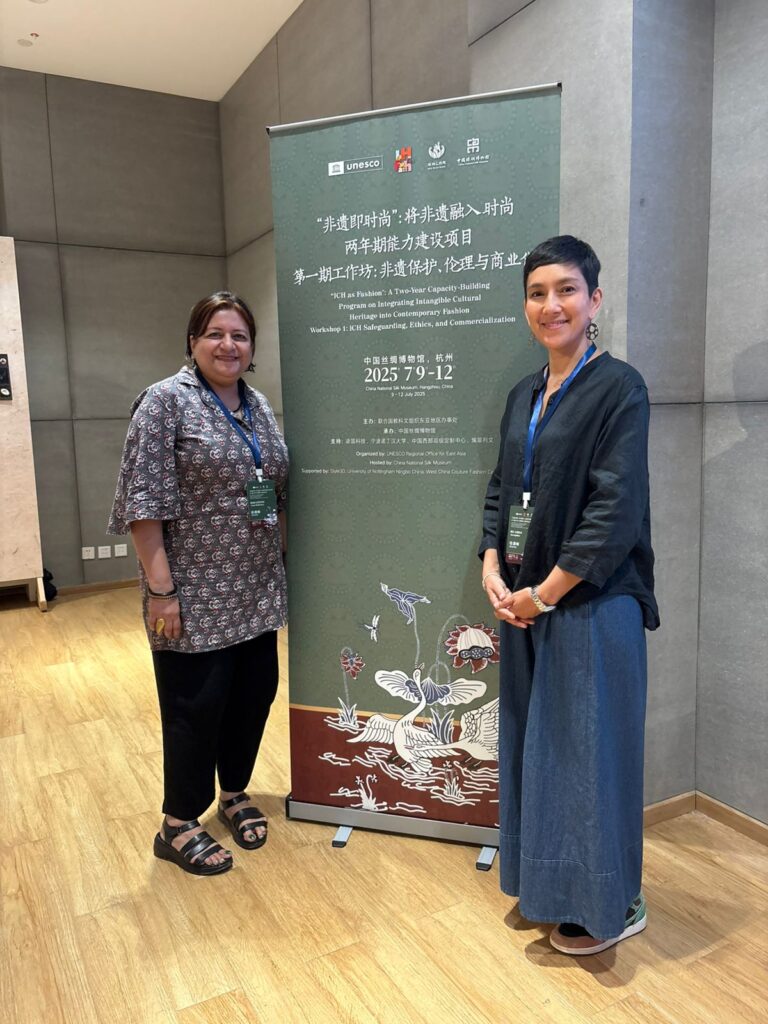
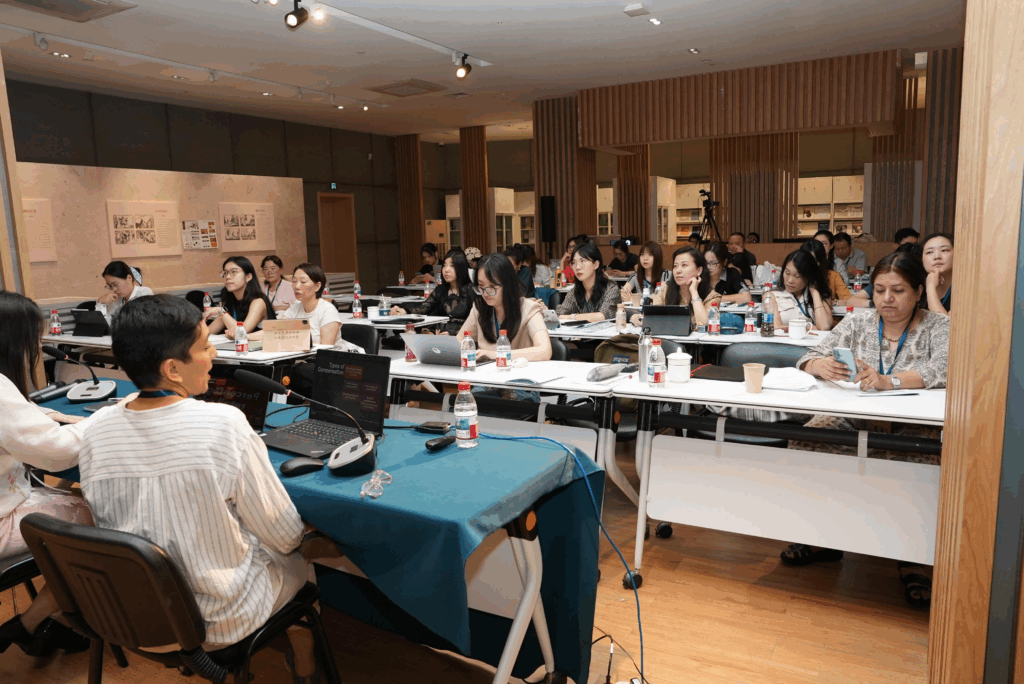
“Earlier this month, I had the chance to spend a week in Hangzhou, China, co-facilitating a UNESCO workshop all about safeguarding intangible cultural heritage (ICH), ethics, and commercialisation in the fashion sector. I am a member of the Global Network of Facilitators for the 2003 Convention for the Safeguarding of the Intangible Cultural Heritage. It was my second time running a session like this in China – and both times, I’ve come away learning just as much as I’ve shared.”
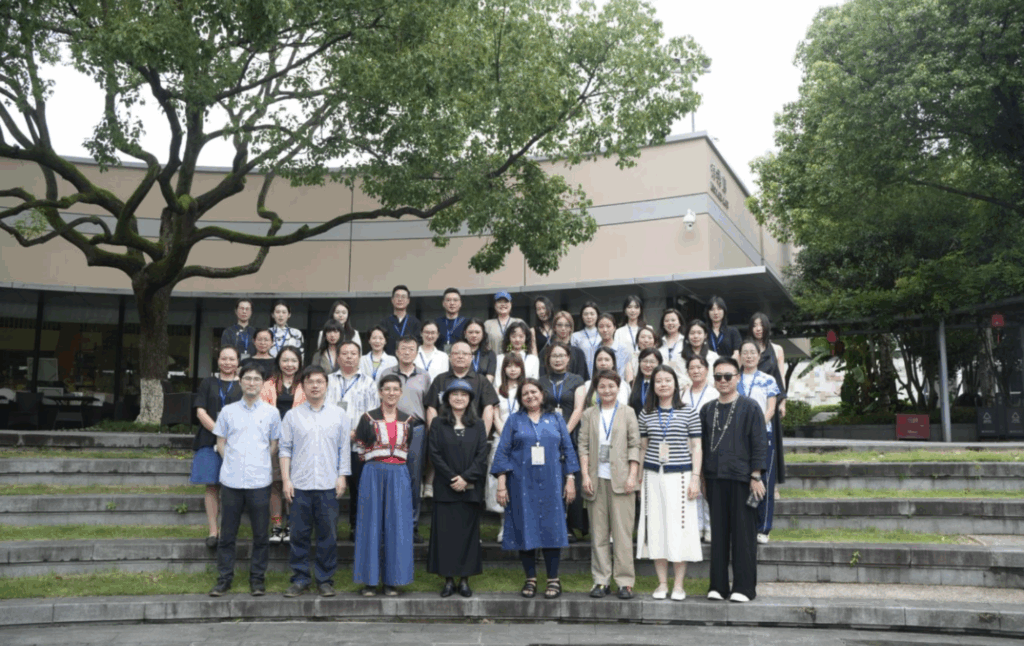
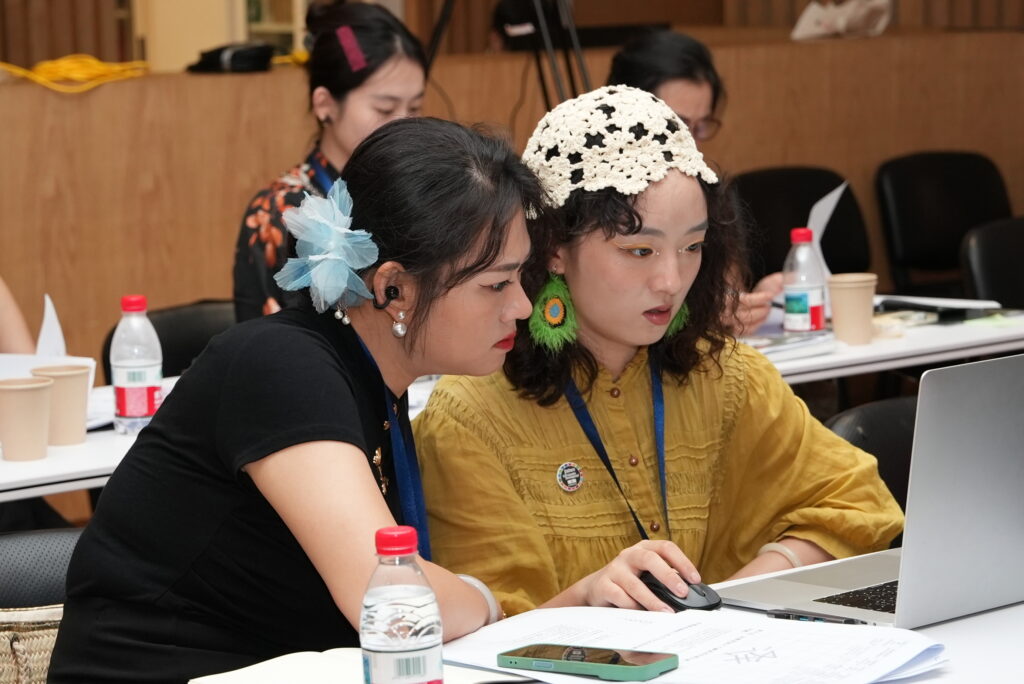
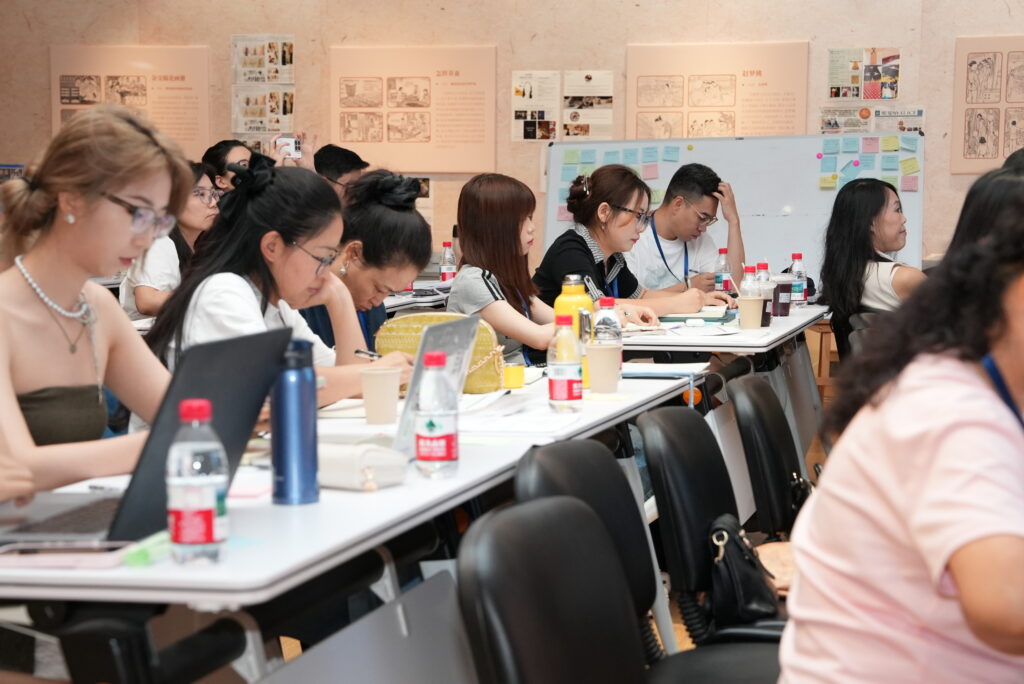
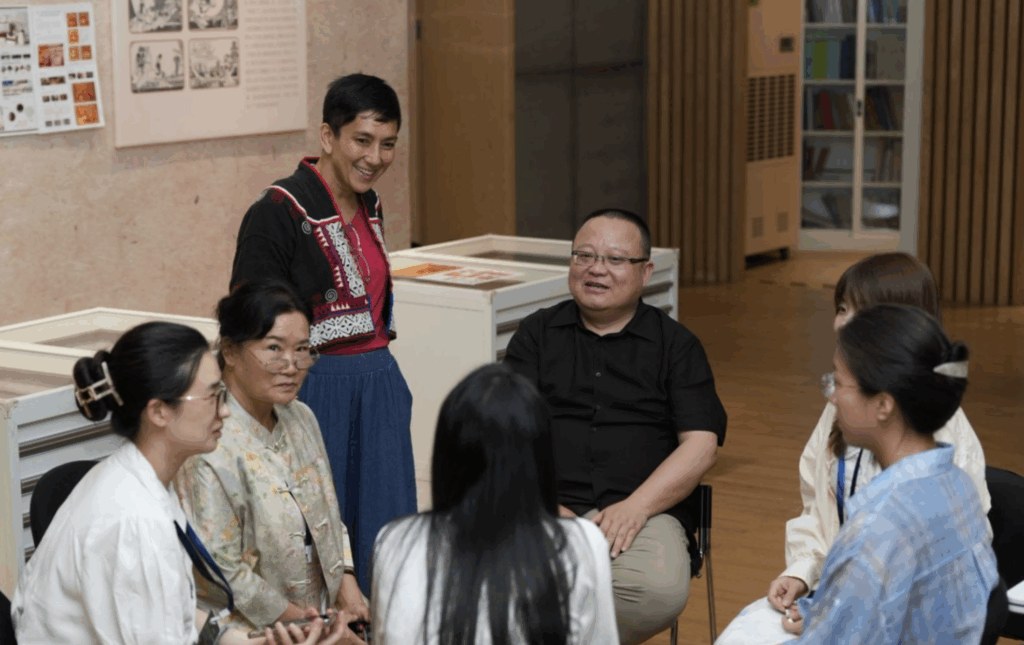
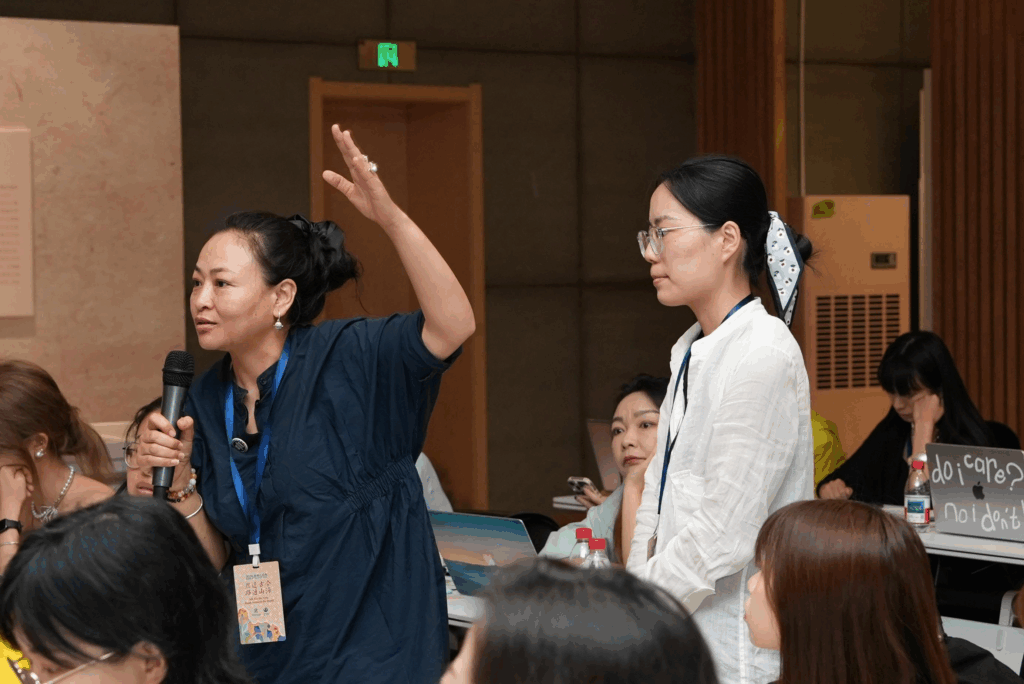
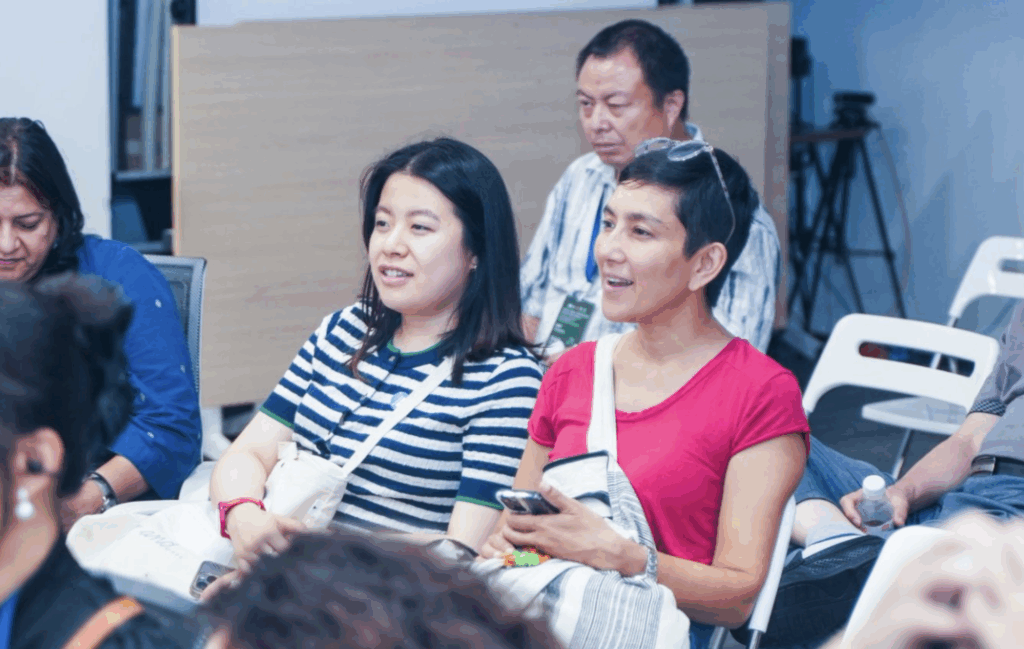
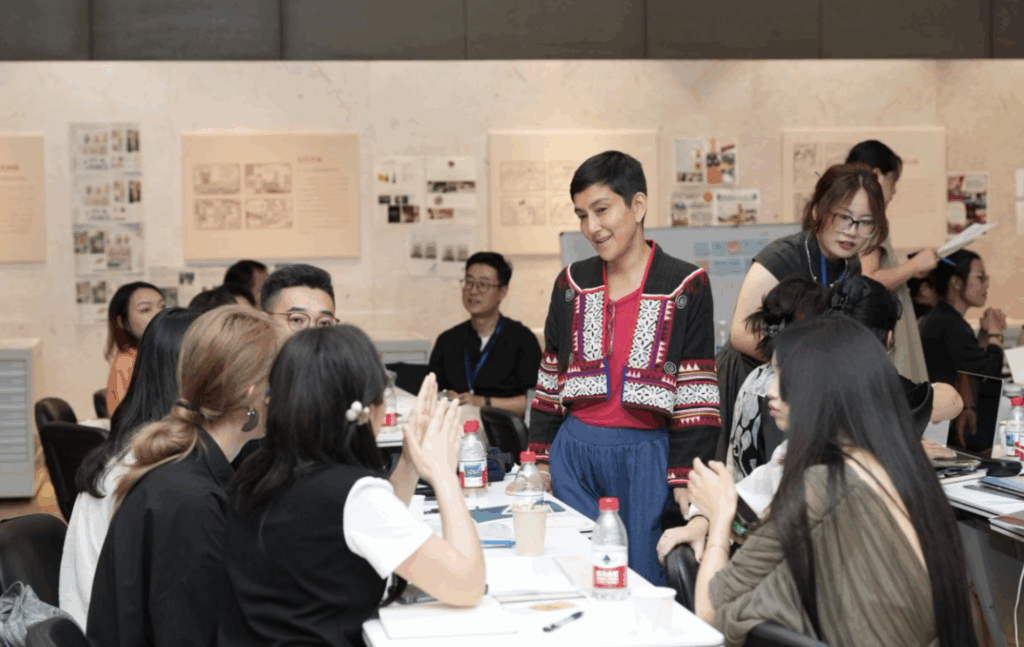
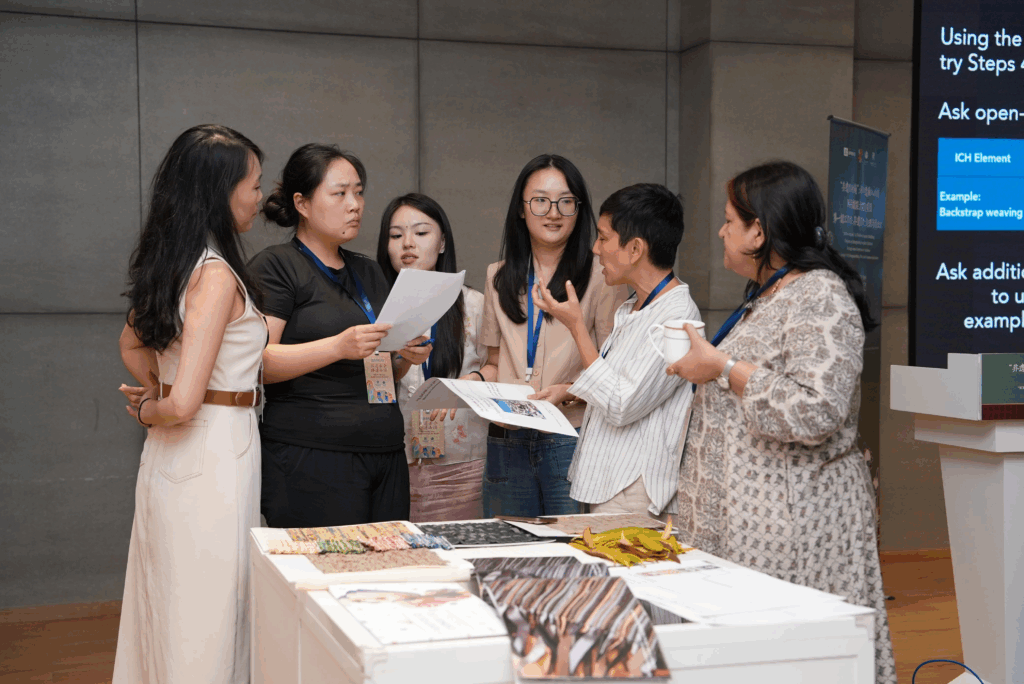
Over four days, I worked with fellow facilitator Ananya Bhattacharya guiding a diverse group: ICH bearers, fashion students, emerging designers, and creative entrepreneurs from across China. We explored questions such as, “How can traditional knowledge and cultural expressions be part of contemporary fashion in a way that respects communities?” and “How does conventional IP relate to cultural heritage?”
Many of the participants are already accomplished in their fields, but this was the first time for them to be exposed to safeguarding concepts like Free, Prior, and Informed Consent, community inventorying, and ethical storytelling. We talked about real-world examples, like the misappropriation of traditional Oma designs from Laos, and debated scenarios where it wasn’t always clear-cut whether something was cultural inspiration or cultural appropriation.
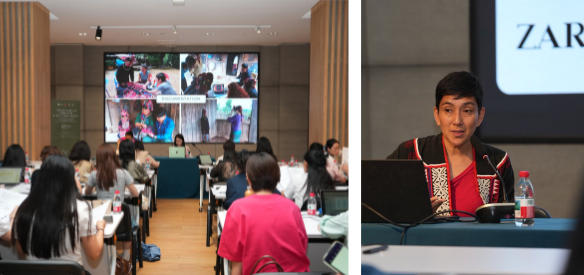
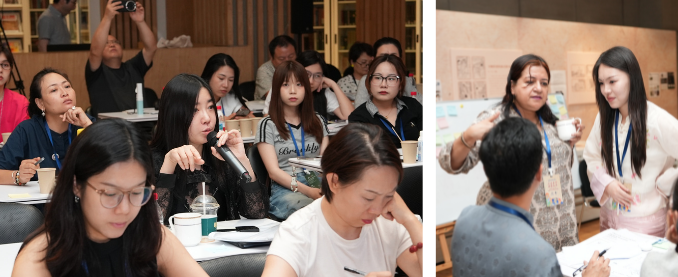
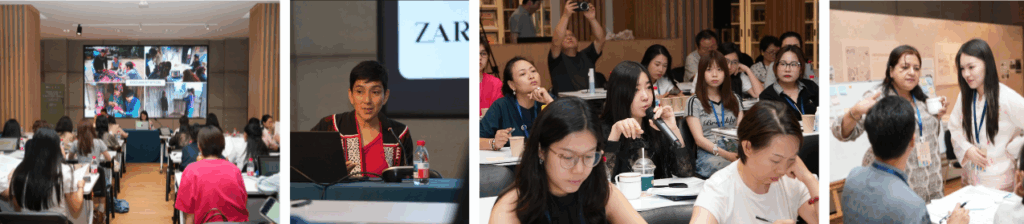
What I find fascinating in China is how challenging the idea of “community” can be. There’s a strong focus on individual ICH bearers, rather than seeing traditions as something collectively held. That significantly changed our conversations around safeguarding and rights. Also, in a place where so many crafts have already been commercialised or manufactured at scale, we had to approach things a little differently – sometimes starting from questions of ownership and business rather than heritage.
Another topic that kept coming up was AI. From using AI to replicate textile designs to generating voice-overs quickly for digital storytelling, participants were nervous about where the ethical lines are (as am I). It’s clear this is an area that needs a lot more discussion and clear guidance.


Facilitating cultural discussions in China is both refreshing and challenging. Between the language, the pace of technological change, and the incredible history and scope of the country, it’s not always straightforward. But that’s what I enjoy – it pushes me to keep adjusting how I work and reminds me there’s no “standard” approach when it comes to cultural heritage.
I’m grateful to UNESCO for inviting me again, and I’m already looking forward to the next trip. Until then, I’ll be reflecting on how we can keep building bridges between creativity, fashion, and community-centred heritage work.
-Tara Gujadhur
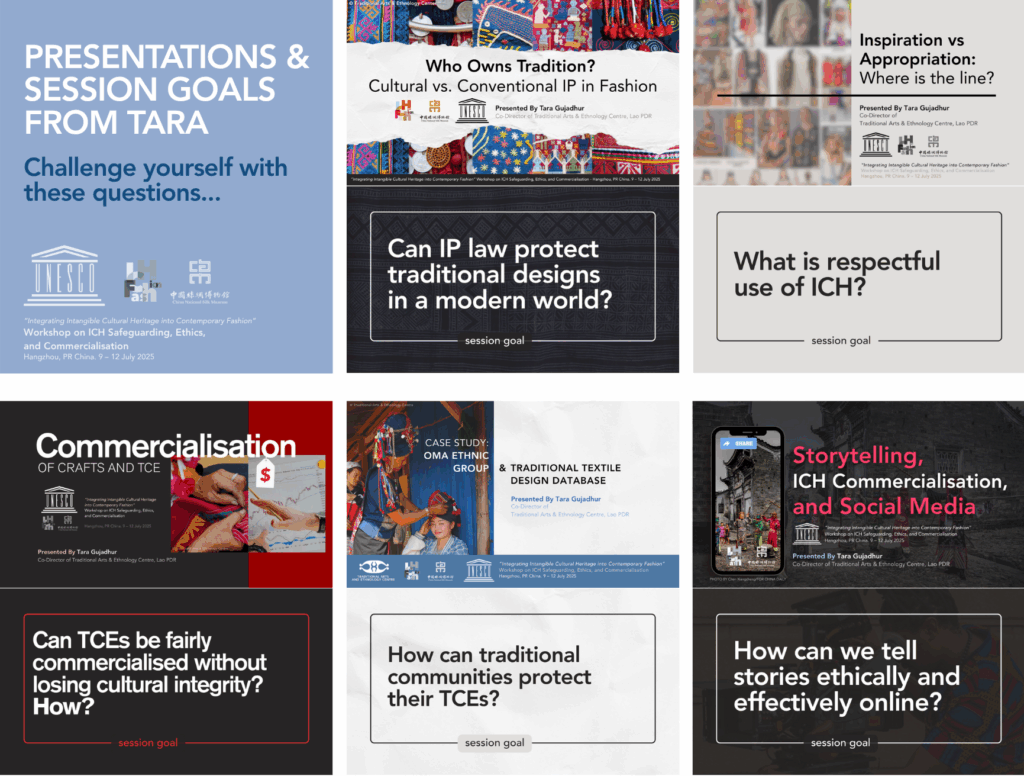
Photo Credit: China National Silk Museum – Photographer: Zhang Yichao